
At Sanskar Canada Mandir, we host Sunderkand twice a week on Tuesdays 7.30pm and Saturday 12pm, led with devotion and grace. These gatherings are not just recitations—they are spiritual journeys, inviting each participant to reconnect with their inner strength, deepen their faith, and experience the divine presence of Lord Hanuman.
We warmly invite you and your loved ones to join us for this uplifting and transformative experience. Let us come together in faith, unity, and devotion—and celebrate the timeless wisdom and grace of Sunderkand.
Diwali celebration in different parts of India

Diwali celebration in different parts of India
Diwali illuminates homes and hearts in many ways all throughout India. It spreads sentiments of happiness, hope, and the victory of light over darkness. Every region of India celebrates Diwali/the Festival of Lights, with its own unique ways but it is always done with much joy and devotion.
In North India, Diwali marks Lord Rama’s return to Ayodhya. Cities glow with lamps and fireworks, families do Lakshmi Puja, and as a symbol of good fortune, sweets are shared.
In Western areas like Gujarat and Maharashtra, additionally Diwali marks the start of a new business year. Doorways and porches are decorated with rangoli, many exchange gifts and visit temples to begin the year with blessings and good luck.
In South India, Diwali is known as the day that Lord Krishna defeated the demon Narakasura. People get up before sunrise, take an oil bath, wear new clothes, and burst firecrackers in the early morning. Special festive foods like adhirasam and payasam fill homes with delicious scents.
In East India, mostly in West Bengal, the night is dedicated to Kali Puja. Homes are lit and prayers are done to Goddess Kali. Even with different gods, foods, and rituals, Diwali brings millions of people in one shared belief, that light will always defeat darkness, and hope will always return.
Keeshika Dhussa,
Grade 9
Dussehra/Vijayadashami
Dussehra/Vijayadashami
Introduction
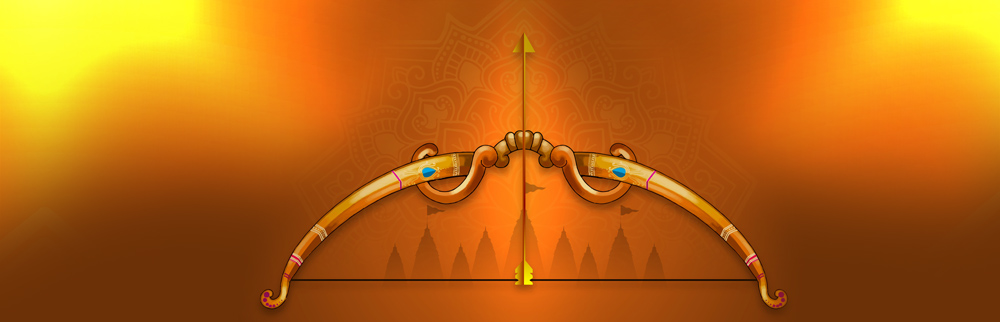
Dussehra, also known as Vijayadashami, is one of the most important and widely celebrated Hindu festivals in India. It marks the end of Navratri, a nine-day festival dedicated to the worship of Goddess Durga. Dussehra celebrates the victory of good over evil and reminds people that truth and righteousness always triumph in the end. The festival brings people together in joy, devotion, and celebration.
Mythological Significance
There are two famous legends behind Dussehra. The first tells the story of Goddess Durga’s fierce battle with the demon Mahishasura. Mahishasura had gained so much power that even the gods could not stop him. After nine days of intense fighting, Durga finally defeated him on the tenth day, symbolizing the triumph of good, strength, and virtue over arrogance and evil.
The second story comes from the great epic Ramayana. It tells how Lord Rama defeated the ten-headed demon king Ravana, who had kidnapped his wife, Sita. With the help of his loyal brother Lakshmana, the brave Hanuman, and an army of monkeys, Rama fought courageously and finally defeated Ravana. His victory represents the power of truth, justice, and devotion.
Moral and Cultural Meaning
Dussehra is not just about mythological battles—it teaches important life lessons. The ten heads of Ravana stand for human weaknesses like anger, greed, jealousy, and pride. The festival reminds everyone to conquer these negative emotions and to live with honesty, kindness, and courage.
Different parts of India celebrate Dussehra in unique ways. In West Bengal, it is known as Durga Puja, with grand idols, music, and processions. In North India, people perform Ram Leelas—dramatic plays that tell the story of Rama’s life. In South India, Ayudha Puja is celebrated by worshipping tools, books, and vehicles to express gratitude for knowledge and work.
Celebrations and Traditions
Dussehra is celebrated with great excitement and energy. Towns and villages are decorated with lights and flowers, and large fairs are held with music, food, and games. The most famous tradition is the burning of huge effigies of Ravana, along with those of his brother Kumbhkaran and son Meghnath. As the effigies go up in flames, they symbolize the destruction of evil and the victory of good. Fireworks brighten the night sky, and families come together to share sweets and celebrate. Dussehra also begins the festive season leading up to Diwali, the Festival of Lights.
Conclusion
Dussehra is a festival that celebrates not only the victories of gods and heroes but also the moral victory of goodness within each of us. It reminds everyone to stay strong, kind, and truthful, even when faced with challenges. Through its stories, traditions, and celebrations, Dussehra continues to inspire people to believe that good will always triumph over evil.
Ira Sharma
Grade 7
Edited By: Shreya
Sharad Purnima

Sharad Purnima
Sharad Purnima is observed on the full moon day of the Ashwin month. This year, Sharad Purnima was on October 6, 2025, marking the culmination of the year’s final lunar eclipse. This occasion holds immense significance in Hinduism, as it is believed that on this day, the moon is enriched with all sixteen of its phases, and the earth is showered with the nectar of wealth and prosperity
On Sharad Purnima, it is said that the moon showers the earth with the elixir of life, also known as Amrit, which results in making kheer. Kheer is a traditional Indian rice pudding, which devotees place in the open moonlight, and it is believed that the elixir of life coming from the moon will give that kheer medicinal properties. It is also believed that this kheer boosts the immune system and it provides mental tranquility and peace for those who consume it.
Devotional music for Sharad Purnima often includes bhajans, aartis, and mantras dedicated to Goddess Lakshmi and Lord Vishnu, as they are the primary deities worshipped on this festival. Other devotional music, like Krishna bhajans and Gujarati garba, are also sung.
Avish Sareen
8th Grade
Edited By: Shreya
Seniors meet
Sanskar Seniors Program Update
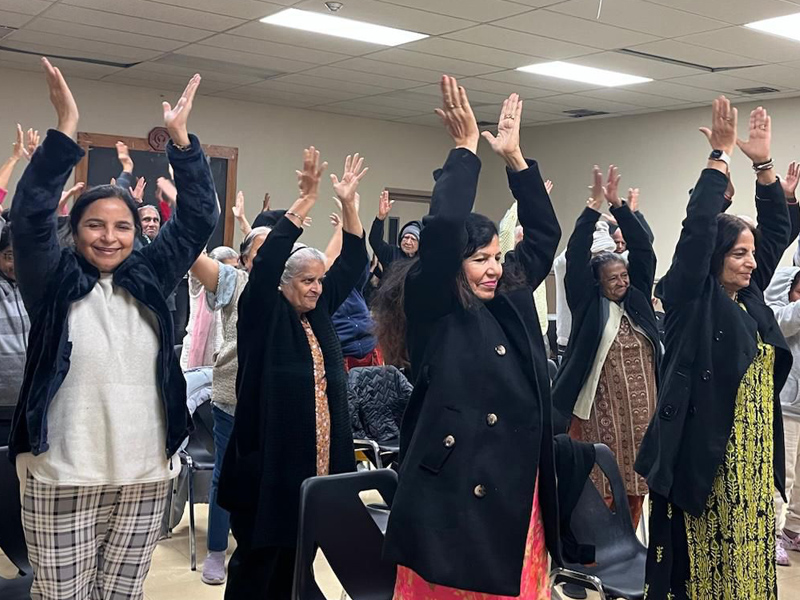
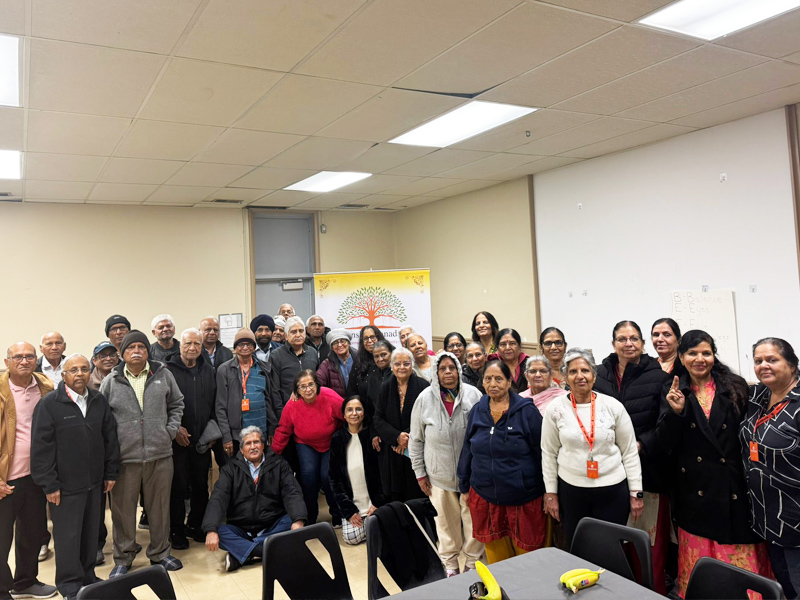
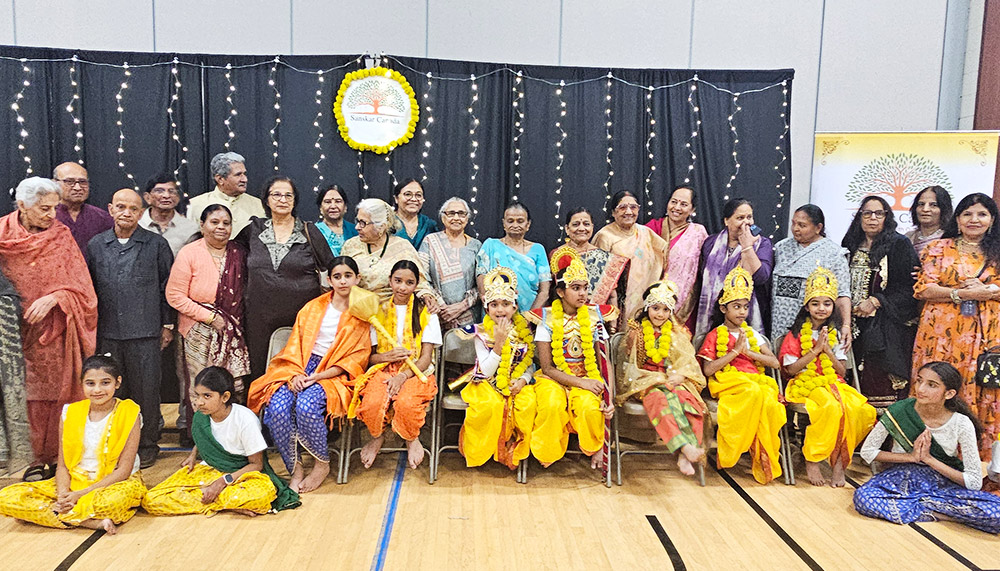
As part of our Sanskar Sanskriti Setu activities, October was a month filled with joy, learning, and togetherness for our seniors. On October 8th and 29th, the sessions began with an uplifting Yoga routine that refreshed everyone’s mind and body. Dr. Sankalp’s engaging talk offered valuable insights on health and well-being, sparking meaningful discussions and questions from the group. It was truly delightful to see our seniors share their talents and enthusiasm—singing, taking turns at the microphone, playing Bingo, and joining in the fun of musical chairs. The spirit of community shone brightly as a few seniors came together to plan performances for the upcoming Diwali celebration with great excitement and creativity.
We welcome all who can attend. For those joining in-person, the program includes light refreshments, tea, and a hearty meal, followed by interactive games, activities, and social time to foster community and connection.
Sanskar Deepavali Milan
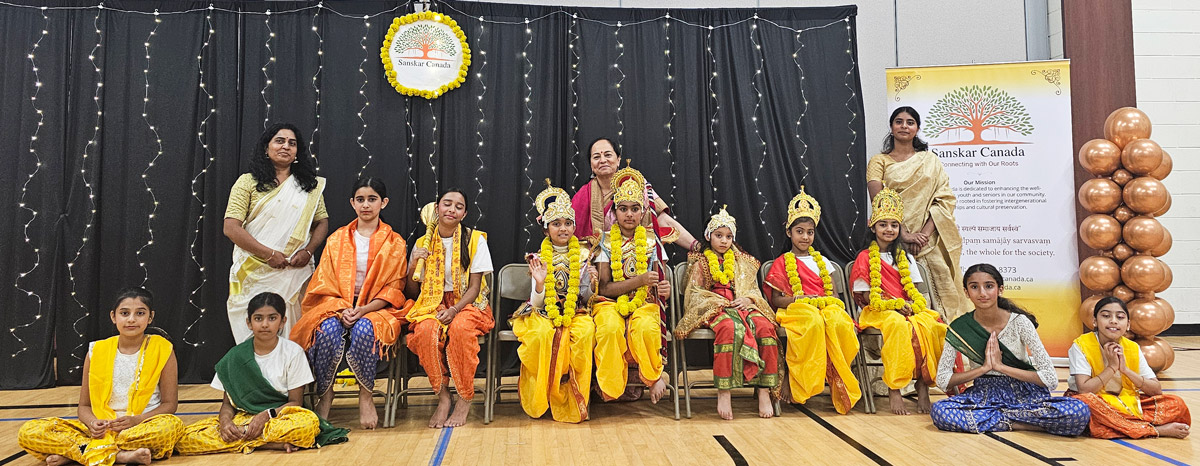
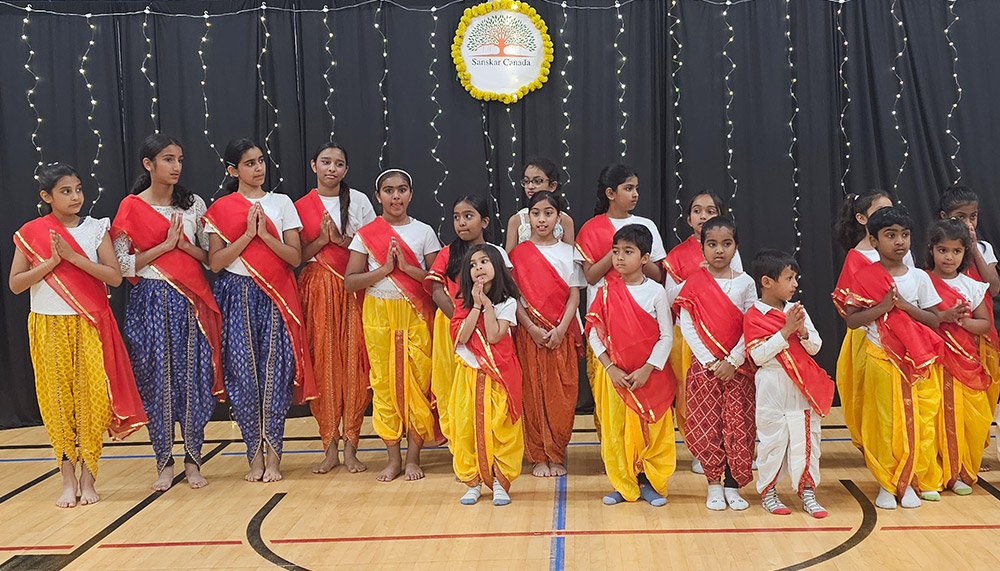
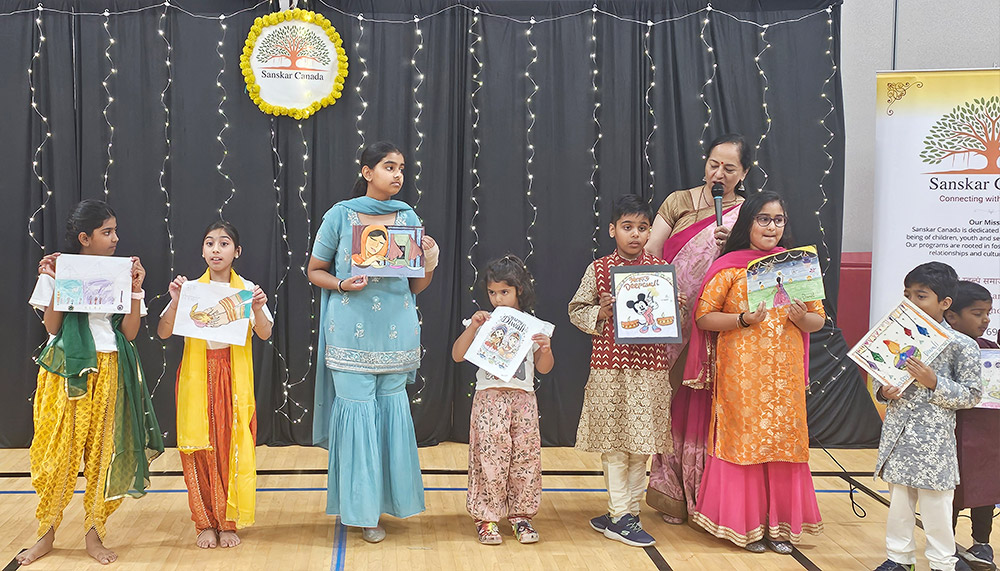
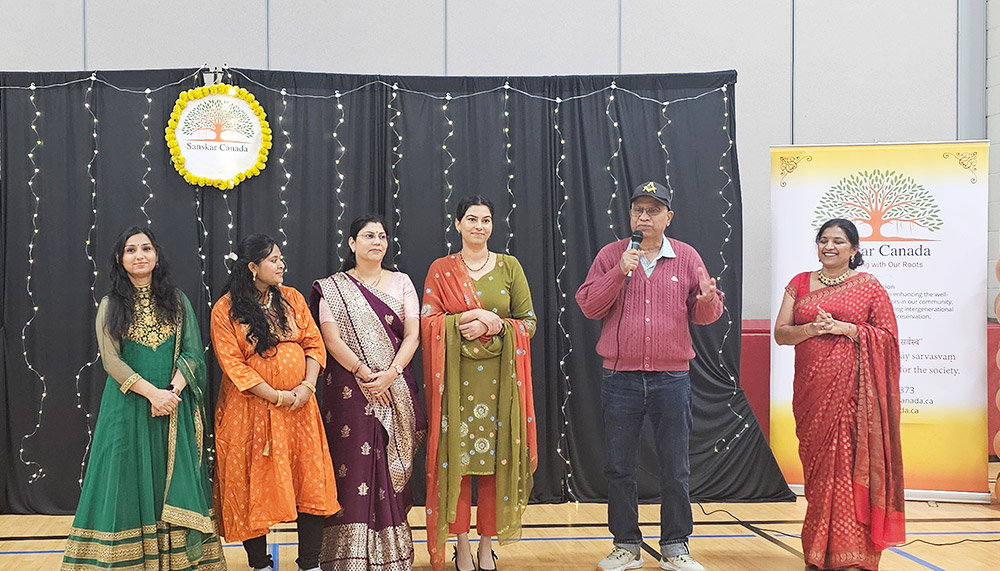
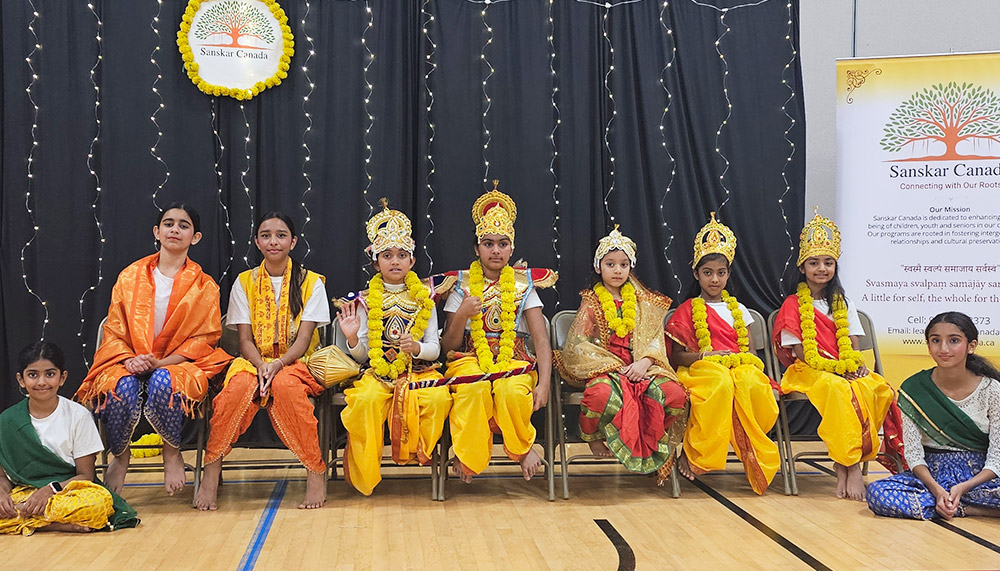
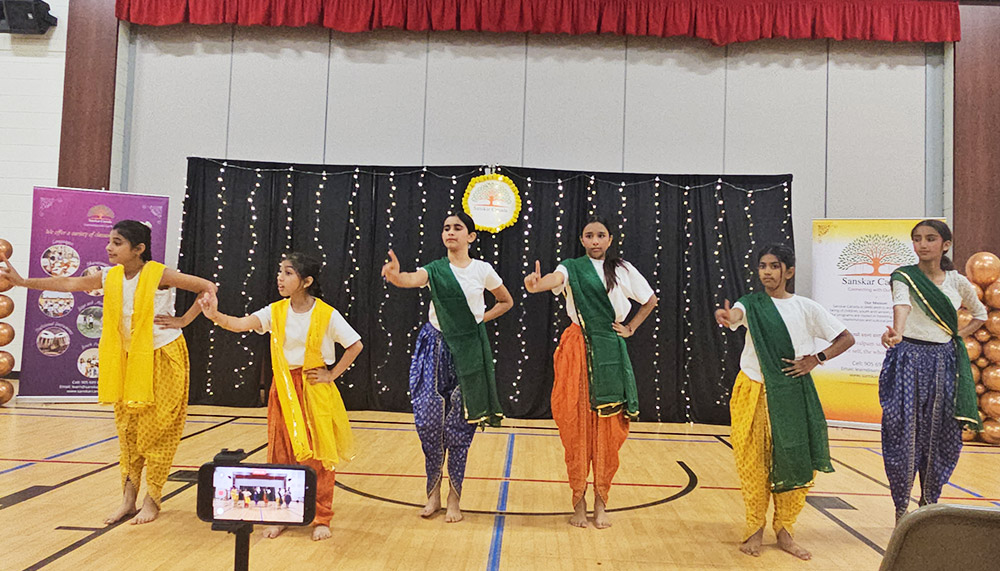
This year’s Deepavli Milan was awesome. Sanskar Canada brought together all three generations, grandparents, adults, and kids for a community celebration, led by Rachna auntie and the volunteers. There were booths, art, and beautiful Rangoli. The food was amazing, there were hot samosas, vada paav, gulab jamun, and chai. For me, I think that when we watched the children perform dances was the highlight, and the standout moment was the Hanuman Chalisa dance by the kids. My mom, brother, and I took a few pictures at the photo booth and everyone loved the coordinated family dress competition. The event finished with a bunch of people dancing to music. It was a perfect, multi generational celebration.
Amani Sood
Grade 10
Edited By: Shreya
For any Query
admin@sanskarcanada.ca or Call 905-699-8373