

At Sanskar Canada Mandir, we host Sunderkand twice a week on Tuesdays 7.30pm and Saturday 12pm, led with devotion and grace. These gatherings are not just recitations—they are spiritual journeys, inviting each participant to reconnect with their inner strength, deepen their faith, and experience the divine presence of Lord Hanuman.
We warmly invite you and your loved ones to join us for this uplifting and transformative experience. Let us come together in faith, unity, and devotion—and celebrate the timeless wisdom and grace of Sunderkand.
Holi - The Festival of Colors
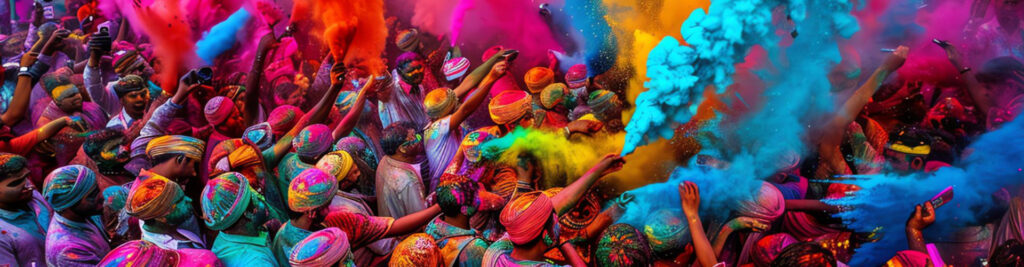
Holi – The Festival of Colors
Holi is one of the most joyful and colorful festivals in India. It is celebrated in spring, usually in March, and marks the arrival of the new season. The festival is known as the “Festival of Colors” because people throw bright colored powders and water at each other. Holi represents happiness, friendship, and the victory of good over evil.
The history of Holi comes from the story of Prahlada, the son of a powerful king called Hiranyakashipu. Prahlada was a devoted follower of Vishnu, but his father wanted everyone to worship him instead of the gods. When Prahlada refused, Hiranyakashipu became angry and tried many times to punish him. Finally, he asked his sister Holika, who was believed to be immune to fire, to sit in a burning fire with Prahlada in her lap. However, because Prahlada had strong faith in Vishnu, Holika’s fireproof cloak flew off her and shielded Prahlada. He was protected and survived the fire, while Holika was burned. This story symbolizes the triumph of good over evil and is remembered during Holi.
Holi is also a symbol of love, joy, and new beginnings. The bright colors used during the festival represent energy, life, and the beauty of spring. During Holi, people forget past conflicts, forgive each other, and celebrate together with friends and family.
Holi celebrations usually begin the night before with a bonfire called Holika Dahan, which represents the burning of evil. The next day, people gather in streets and open spaces to play with colored powders called gulal and colored water. They dance to music, sing traditional songs, and enjoy festive foods and sweets. In Mathura and Vrindavan, celebrations are especially lively because of their connection to the stories of Krishna and Radha. In West Bengal, Holi is celebrated as Dol Jatra, with music, dancing, and cultural events.
In conclusion, Holi spreads joy, unity, and positivity. It brings people together and reminds everyone to celebrate life with color and happiness. It also encourages people to forgive one another, let go of negativity, and enjoy the moment with others.
Avish Sareen, 8th Grade
Editor: Shreya
Celebrating Women’s Day

Celebrating Women’s Day: The Inspiring Journey of Dr. Anandibai Gopalrao Joshi
Every year on March 8, we celebrate Women’s Day. It’s a day to appreciate women and everything they do, while also remembering the struggles women faced in the past. One great example is Anandibai Joshi, one of the first Indian women to become a doctor.
Anandibai was born in 1865 in India, when girls were not really allowed to go to school. However, she loved learning and wanted to do something important. She got married at a young age, which was normal back then. Sadly, her baby died because there was no proper medical care, and this changed her life. It made her decide that she wanted to become a doctor and help others.
She later traveled all the way to the United States to study medicine, which was very unusual for women at that time. It was not easy—she was far from home and often sick—but she did not give up. In 1886, Anandibai finally became a doctor. She made history and inspired many women.
On Women’s Day, we remember her courage and hard work. Her story teaches us to believe in ourselves and keep trying.
Agastya, 7th grade.
Editor: Shreya
Marking the Hindu New Year
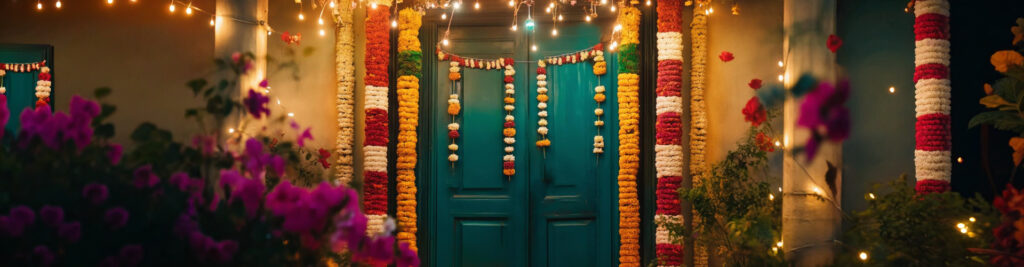
Marking the Hindu New Year: Chaitra Navratri, Gudi Padwa, and Ugadi
Several Hindu festivals mark the start of the new year and welcome the arrival of spring. Chaitra Navratri is a nine-day festival that honors the nine forms of Maa Durga and focuses on cleansing the body, gaining energy, and building inner strength. Gudi Padwa and Ugadi are one-day celebrations that mark the beginning of the new year. All three festivals also celebrate the arrival of spring.
Why are they considered the Hindu New Year in many places?
It is believed that these festivals begin on the day when Brahma created the universe, starting time and space. The Hindu calendar follows the moon cycles, so this time marks the first day of the lunisolar calendar.
How does this time help farming and mark the start of spring?
This time includes changes in planets, nature, and farming. Chaitra Navratri happens when winter ends and spring begins. Flowers bloom, fruits grow, and the weather becomes warmer. Because the season changes, the soil becomes more fertile, which makes it easier to grow and harvest crops.
What are the traditions?
People follow many traditions during these festivals, and each one has a special meaning.
One common tradition is cleaning the house before the festival. Cleaning removes negative energy from the past year and makes space for positive energy and marks new beginnings.
Another tradition is eating neem leaves with jaggery on Ugadi. Neem fights infections and improves immunity and jaggery adds sweetness and provides energy and minerals. Together, they represent life—neem’s bitterness stands for challenges, while jaggery’s sweetness stands for happiness and success.
Fasting during Navratri is also followed by many people. During fasting, people avoid heavy foods and may eat light foods like fruits, nuts, or vegetables. It helps both the body and mind feel fresh for the new year.
Finally, one of the best parts of these festivals is that they bring people together. Families pray, cook, and enjoy meals together. Many communities also hold celebrations, prayers, and cultural events. Celebrating together helps keep traditions alive
Ira, Grade 7 & Keeshika, Grade 9.
Editor: Asmita
Senior’s Meet
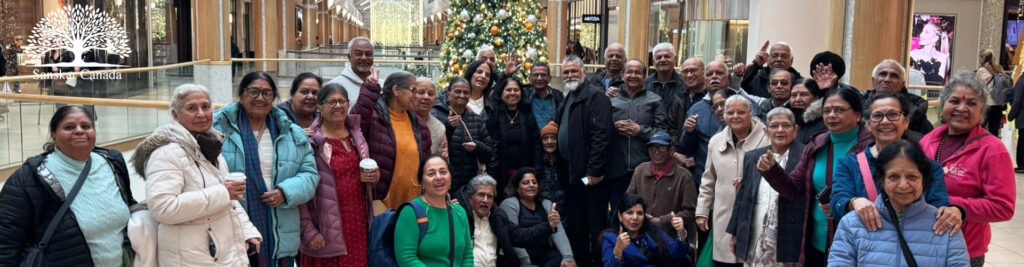
Seniors’ Meet
Interested in joining our Senior sessions?
Be part of a joyful and uplifting gathering dedicated to our amazing seniors.
From refreshing yoga sessions to meaningful connections, this day is all about happiness, health, and togetherness!
Check upcoming sessions on our website and register!.
You are invited to Basant Utsav – Celebrating the Colours of Nature and Devotion on April 12th,
An afternoon of cultural richness, artistic expression, and joyful community spirit awaits. Let us come together to celebrate Basant with grace, tradition, and happiness.
Book your tickets online at Sanskar Canada website or call us to reserve your spot!

Contact us at:
admin@sanskarcanada.ca or Call 905-699-8373